About Woolwich
The town’s modern shape was set by Henry VIII, who chose Woolwich in 1512 as the site of his Royal Dockyard, built to construct his flagship the Henri Grace à Dieu. Naval and military institutions followed, culminating in the Royal Arsenal, which grew into one of Europe’s largest armaments manufacturers before its manufacturing operations closed in 1967. The Royal Artillery Barracks on Woolwich Common, its Georgian facade said to be the longest of its kind in Europe, and the former Royal Military Academy still stand as reminders of that garrison history, sitting apart from the town centre which grew up around Powis Street to the south.
This military and industrial past has given Woolwich a different feel from its more genteel neighbour Greenwich, whose maritime heritage draws visitors to the Cutty Sark and Old Royal Naval College. Woolwich has instead built its recent reputation on regeneration. The old Royal Arsenal site, largely disused after the 1967 closure, has been transformed since 2000 into Royal Arsenal Riverside, a scheme of more than 5,000 new homes set among 23 refurbished listed buildings.
This layered history is visible in the population, with long established households from the Caribbean, West Africa and South Asia living alongside a growing number of professionals drawn in since the Elizabeth line opened its Woolwich station in 2022. Woolwich became part of the enlarged London Borough of Greenwich in 1965, having previously existed as its own metropolitan borough, and it now serves as the borough’s main commercial and retail centre. Its position on the river, combined with direct rail connections into central London and Canary Wharf, has made it increasingly popular with buyers who want space and new build stock without paying central London prices.
Woolwich Property
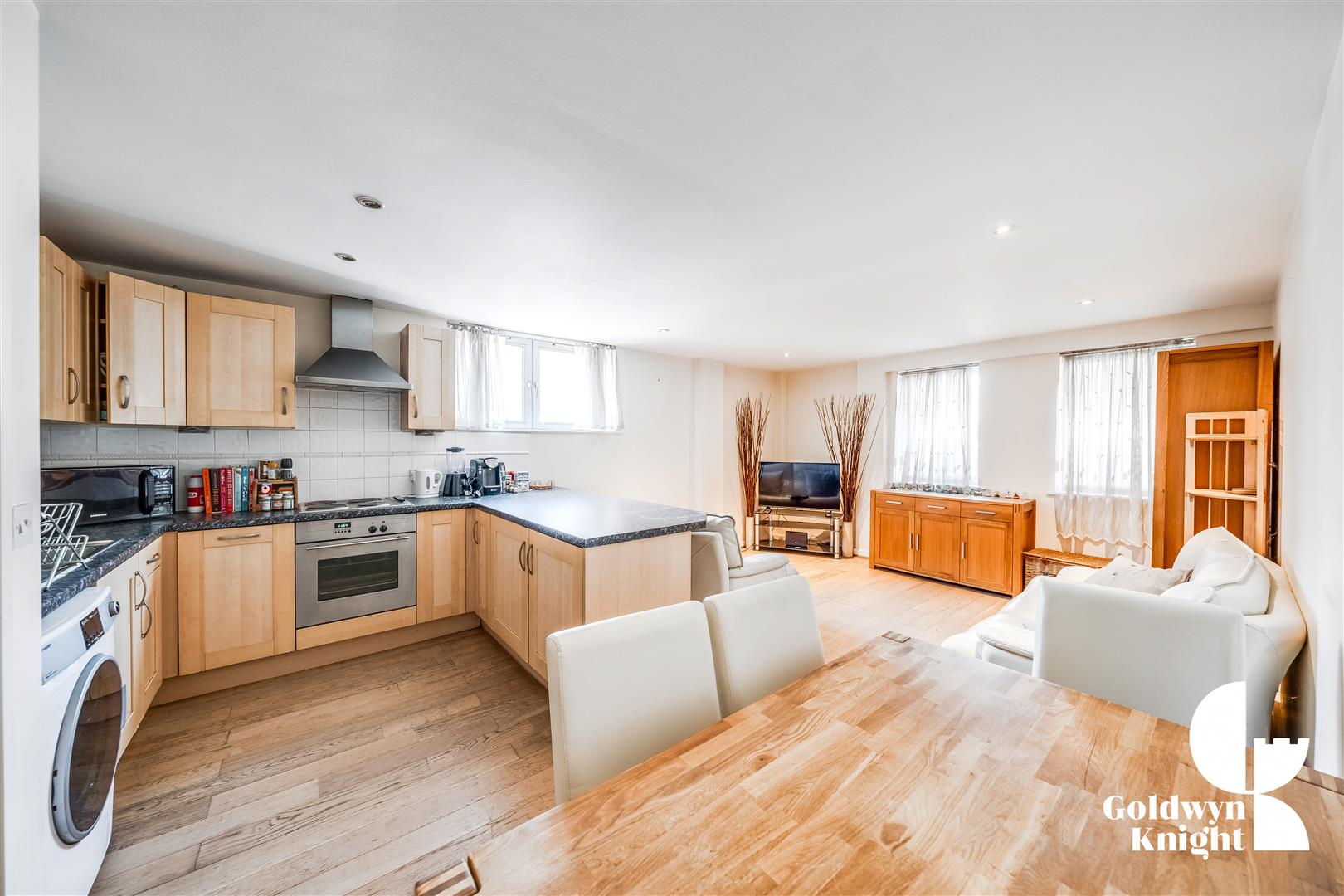
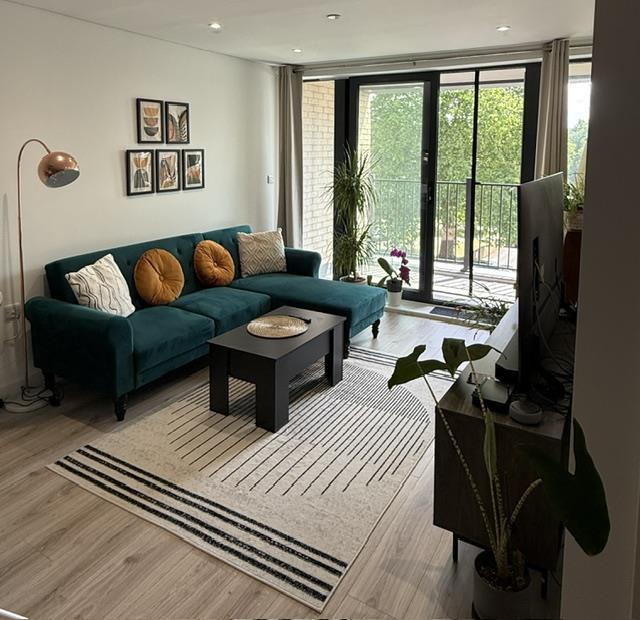
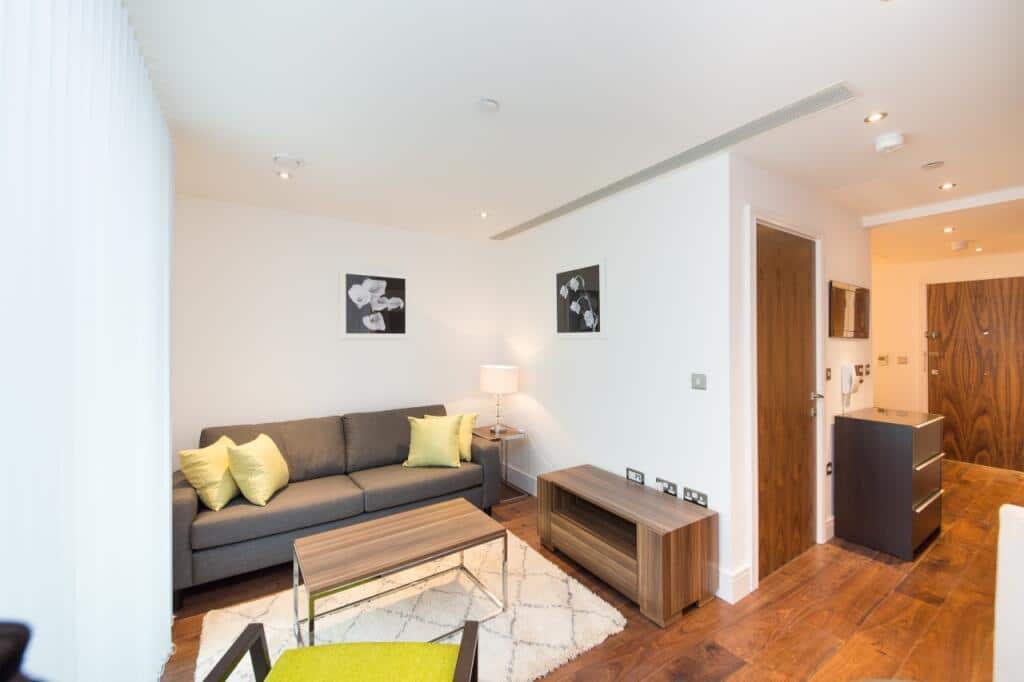
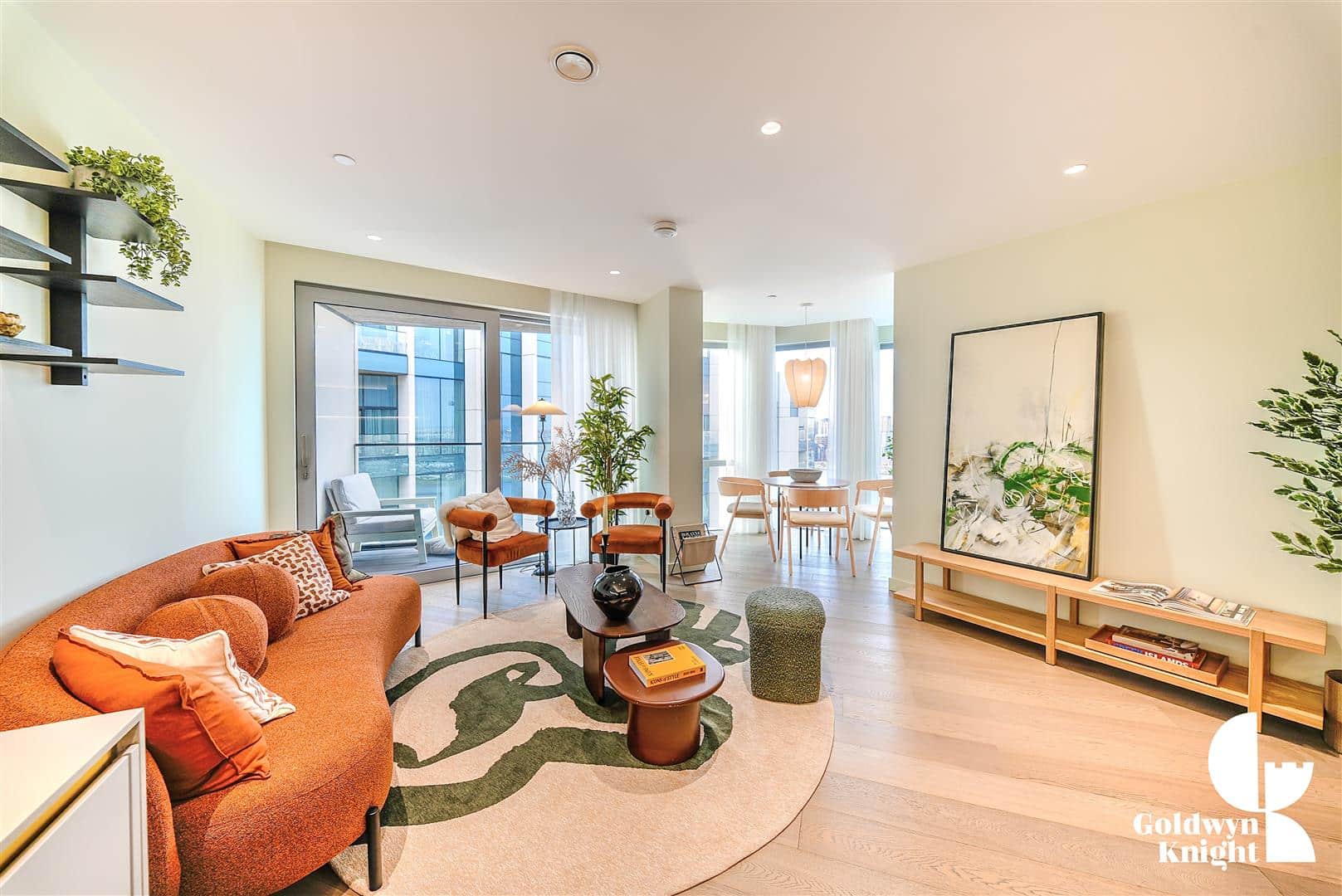
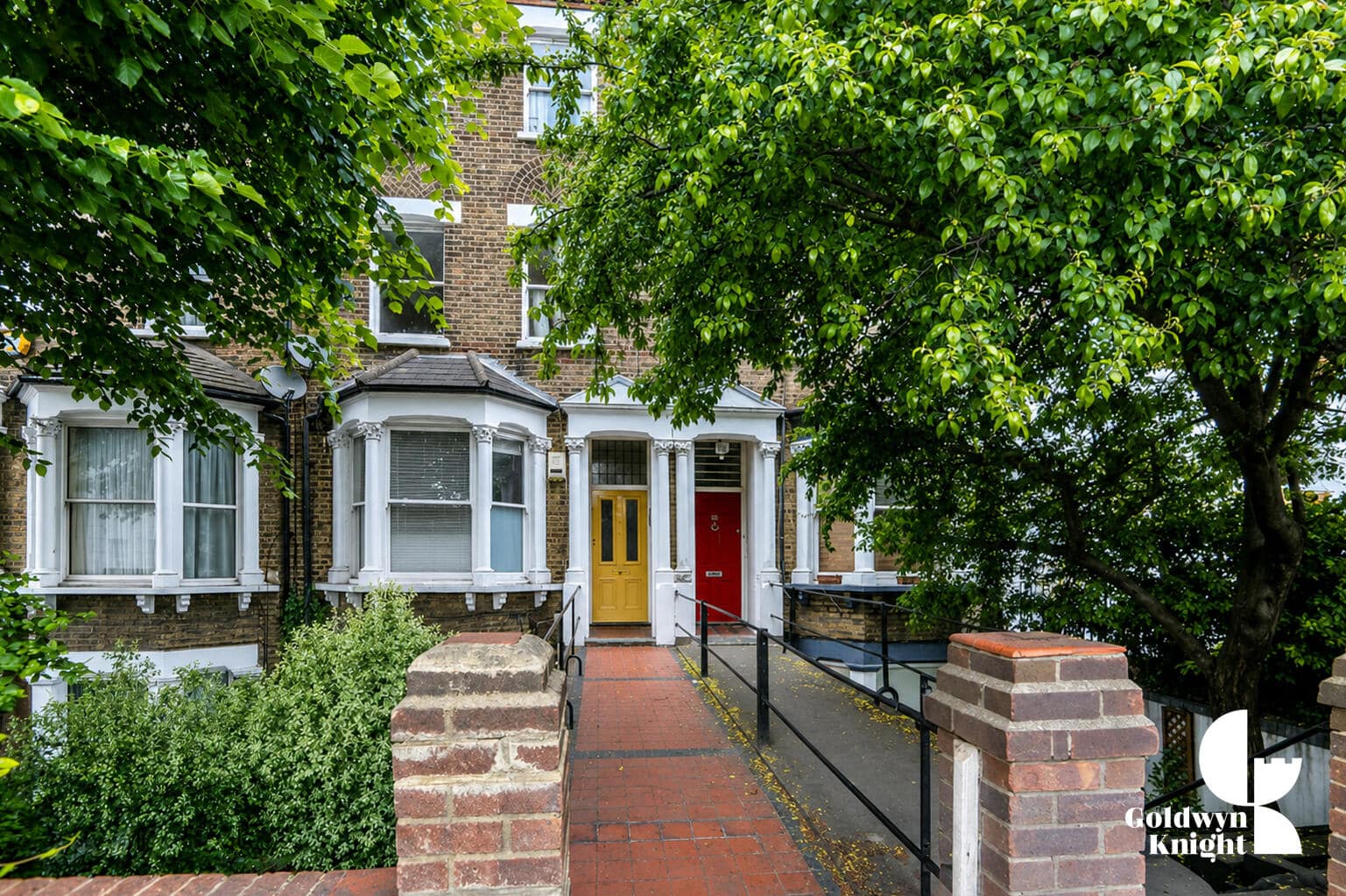
Property styles in Woolwich: Woolwich has an unusually varied property stock for south east London, ranging from Victorian and Edwardian terraces on streets such as Eglinton Hill and Nithdale Road to large scale new build apartment blocks across the Royal Arsenal Riverside development. A handful of converted Georgian and Victorian military buildings within the old Arsenal have been repurposed as flats and offer some of the more individual homes in the area. Post war council built estates make up a further share of housing stock, particularly around Woolwich Common and towards Plumstead.
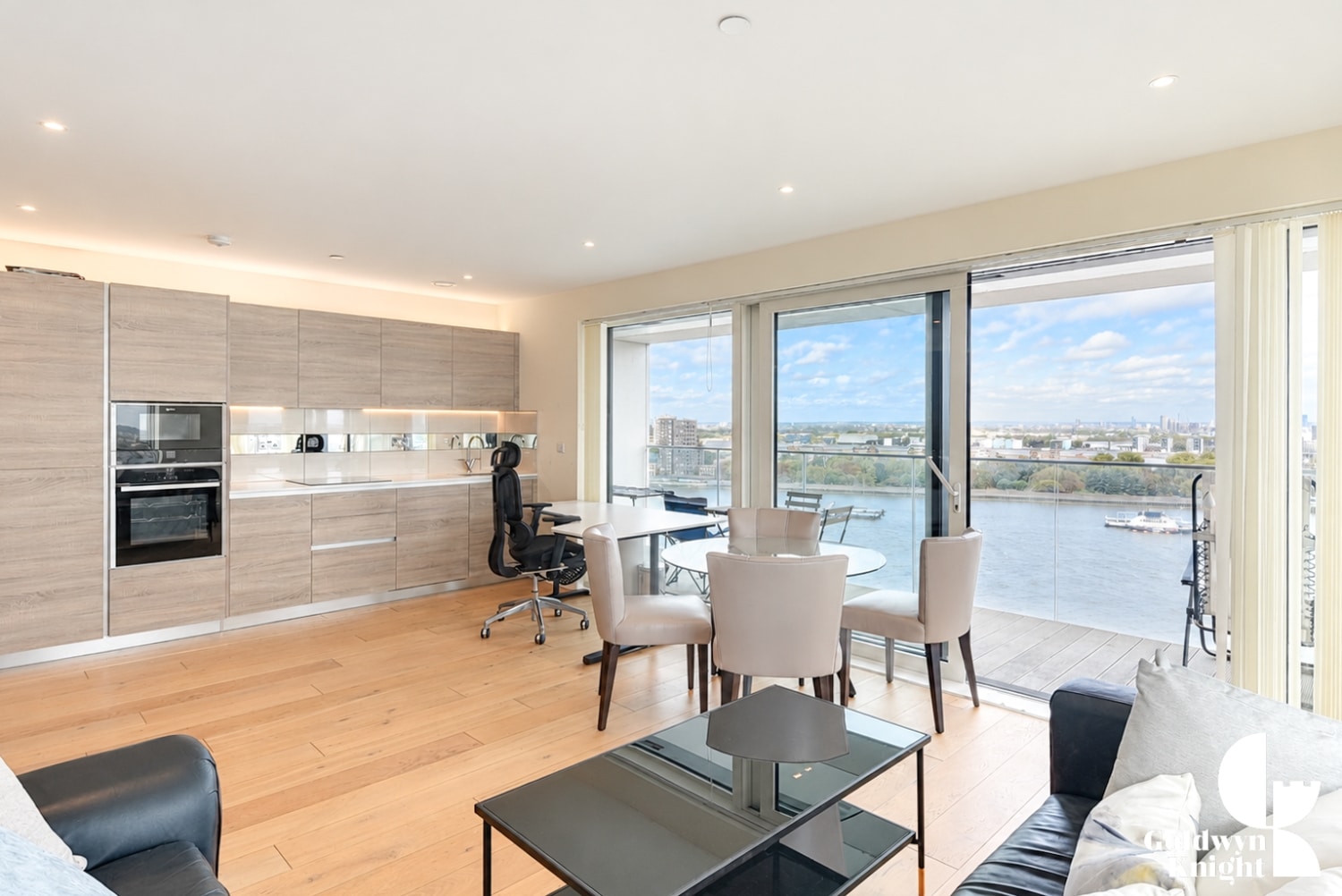
Key streets: The best regarded terraced housing sits on streets like Eglinton Hill and Nithdale Road, where three and four bedroom Victorian houses regularly sell for £500,000 or more. For buyers wanting new build stock, riverside apartments around No.1 Street and Duke of Wellington Avenue within Royal Arsenal Riverside offer partial Thames views and a direct route to the Elizabeth line station, with one bedroom flats currently priced from around £435,000.
Developments: The Royal Arsenal Riverside scheme has been under way since 2000, turning a former munitions site into a new riverside district of homes, shops and public space, with more than 5,000 homes planned in total, around 4,000 already completed and 23 listed buildings refurbished so far. In 2026, Berkeley completed a land deal with Transport for London’s property arm to build a further 575 homes in four buildings directly above Woolwich Elizabeth line station, 35 per cent of which will be affordable housing, alongside new commercial space. Away from housing, Woolwich Waves, a new leisure centre with three pools and a two storey gym, opened in the town centre in January 2026, replacing the long serving Waterfront Leisure Centre.
Property prices: The average sold price in Woolwich was £401k over the past year, with flats averaging £362k, terraced houses £499k and semi-detached properties £460k. These figures were 5 per cent down on the previous year and 8 per cent below the 2022 peak of £453k.
Renting in Woolwich: Average private rents across the Royal Borough of Greenwich reached £1,952 a month in May 2026, according to the ONS, an annual rise of 4.4 per cent from £1,870 the year before and a faster increase than the 2.0 per cent recorded across London overall. Borough wide data isn’t broken down to Woolwich alone, but the volume of new build flats delivered through Royal Arsenal Riverside, combined with quick Elizabeth line journeys into Canary Wharf and the City, has kept tenant demand strong among young professionals who would otherwise be priced out of areas further west.
Woolwich Transport
As a river crossing point and a stop on both the Elizabeth line and the Docklands Light Railway, Woolwich has some of the strongest transport links in south east London.
- Car & road: The A205 South Circular starts at the Woolwich Ferry and runs west through Eltham and Lewisham, while the A206 and Woolwich Church Street connect the town to Plumstead and the Thames Barrier. The free Woolwich Ferry, running since 1889, remains one of the few road crossings of the Thames east of Tower Bridge, carrying vehicles across to North Woolwich in around 6 minutes.
- Bus: Woolwich town centre is served by a wide range of routes, connecting to Eltham, Plumstead, North Greenwich and Bexleyheath.
- Train: Woolwich has three rail stations within walking distance of the town centre, Woolwich Arsenal on the Southeastern and DLR lines, Woolwich Dockyard on Southeastern, and Woolwich on the Elizabeth line. The Elizabeth line cuts journey times sharply, with Canary Wharf reached in around 8 minutes and Liverpool Street in around 14 minutes. The DLR runs from Woolwich Arsenal to Canary Wharf and on to Bank or Stratford, while Southeastern services offer a direct route to London Bridge and Cannon Street.
- Cycling and walking: The Thames Path runs directly through Woolwich, linking the town to Greenwich and the Thames Barrier on foot, and cycle routes follow much of the riverside and the old dockyard streets into the Royal Arsenal Riverside development.
- Woolwich’s nearest airport: is London City Airport, around a mile away and roughly 6 minutes by DLR, a short journey by London standards for regular flyers.
These connections make Woolwich appealing to tenants commuting to Canary Wharf and the City, which supports steady rental demand for landlords. For more information about the transport options in Woolwich, take a look here.
Places Of Interest
Centuries as a garrison and dockyard town have left Woolwich with a concentration of military and civic landmarks that few parts of London can match, several now open to the public for the first time in their history.
- Royal Arsenal – Once one of Europe’s largest armaments manufacturers before closing in 1967, the former munitions works now anchors the borough’s military heritage, with 23 listed buildings restored across the site.
- Royal Artillery Barracks – Home to the Royal Artillery from 1776 until 2007, the barracks’ Georgian facade is said to be the longest of its kind in Europe, running 1,000 feet along Woolwich Common.
- Old Royal Military Academy – Designed by James Wyatt and built between 1796 and 1805, the former officer training academy stands opposite the barracks and trained generations of Royal Artillery and Royal Engineers officers.
- Woolwich Town Hall – Built in 1906 to a design by Alfred Brumwell Thomas, this Edwardian Baroque building on Wellington Street remains the ceremonial seat of the Royal Borough of Greenwich’s local government.
- Woolwich Works – Housed in a restored former cartridge factory within the Arsenal, this performance and exhibition venue opened in 2021 and has been recognised by Time Out as one of London’s top new culture venues.
- St George’s Garrison Church – Built in 1863 for the Royal Artillery and largely destroyed by a V1 flying bomb in 1944, the roofless ruin is now a memorial garden open to visitors on Sundays.
- Thames Barrier – Spanning the river near Woolwich Reach, this flood defence structure is one of the largest movable flood barriers in the world and protects 125 square kilometres of central London from tidal flooding.
- General Gordon Square – Sitting at the eastern end of Powis Street, this public square hosts events year round and marks the start of the town centre’s main shopping streets.
- Maryon Park and Gilbert’s Pit – A former chalk quarry turned park to the west of the town, with steep wooded paths and views back across the Thames towards the O2.
Living In Woolwich
Everyday life in Woolwich centres on Powis Street and the markets that have traded here for centuries, backed up by a fast growing leisure and health offer built alongside the town’s new riverside homes.
- Shopping: Powis Street is Woolwich’s main high street, a partly pedestrianised run of chain stores including Primark, Lidl and Sainsbury’s alongside independent shops. Beresford Square Market, trading in some form since the 1600s, sells fresh produce, clothing and household goods every day except Sunday, while Tesco Extra on Love Lane covers larger weekly shops. Specialist shops around Vincent Road and Wellington Street stock African, Caribbean, South Asian and Eastern European produce, catering to the many households who have settled in Woolwich.
- Eating and drinking: Beresford Square’s street food stalls and the Royal Arsenal Farmers Market, held on the second and last Saturday of each month in Artillery Square, are among the longer standing food destinations in the area, drawing bakers, cheesemongers and greengrocers from across south east London. Powis Street and the surrounding side streets carry a wide spread of cafes and takeaways serving cuisines from around the world.
- Leisure and recreation: Woolwich Waves, which opened in January 2026 in the town centre, replaced the long standing Waterfront Leisure Centre with three swimming pools, a two storey gym, a five a side football pitch and a spa. Maryon Park, a former quarry to the west of the town, and the open ground of Woolwich Common offer larger green space, and both link into the wider South East London Green Chain network of parks and woodland.
- Healthcare: Queen Elizabeth Hospital on Stadium Road, SE18 4QH is the main general hospital serving Woolwich, with 521 beds and an emergency department. Ferryview Health Centre on John Wilson Street, SE18 6PZ is one of the larger GP surgeries in the town centre, and dental practices including Woolwich Dental Practice on Woolwich New Road and Woolwich Gentle Dental Care on Powis Street are also close by.
The range of GP surgeries, a general hospital and a brand new leisure centre within walking distance of the town centre are among the everyday factors that support demand from families and professionals considering a move to Woolwich.