About Deptford
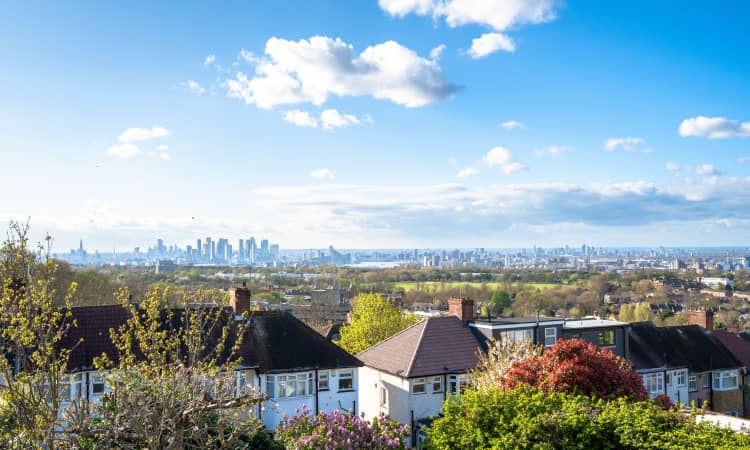
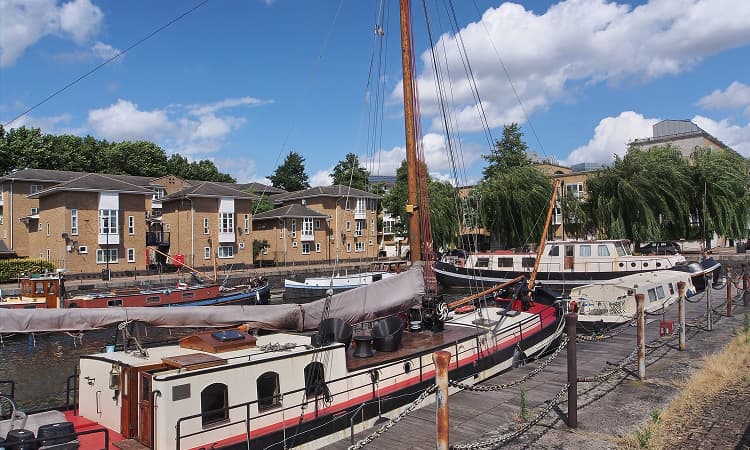
Deptford sits on the south bank of the River Thames in south-east London, contained within the SE8 postcode and split administratively between the London Borough of Lewisham and the Royal Borough of Greenwich. It borders New Cross to the west, Brockley and Lewisham to the south, Rotherhithe to the north-west, and is divided from Greenwich to the east by Deptford Creek, the tidal mouth of the River Ravensbourne.
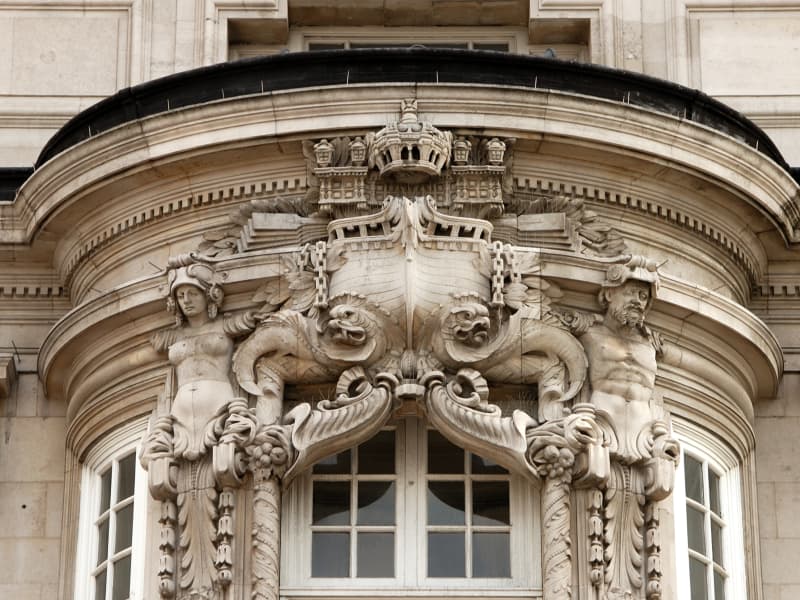
The name derives from the Old English “Depeford” – a deep ford where the ancient road from London to Dover, Watling Street, crossed the Ravensbourne. That crossing gave the area its first strategic importance, but it was the establishment of the Royal Dockyard by Henry VIII in 1513 that put Deptford on the map. For three centuries the dockyard was one of the most significant in England: it was here that Queen Elizabeth I knighted Sir Francis Drake aboard the Golden Hind in 1581, that Peter the Great came to study English shipbuilding techniques, and that Captain James Cook’s HMS Resolution was prepared for his third voyage. The playwright Christopher Marlowe met his end (almost certainly a murder) in a house on Deptford Strand in 1593, and was buried in the churchyard of St Nicholas Church. These aren’t marginal footnotes; they are events that shaped the early modern world, and they happened here.
After the dockyard closed in the late nineteenth century, Deptford’s fortunes shifted. The area became more heavily industrialised, and post-war decades brought council housing, economic difficulty, and demographic change, including significant settlement from the Caribbean from the 1950s onwards. The last of the major dock operations, Convoys Wharf, closed in 2000, leaving a large brownfield site on the riverfront that has defined debates about regeneration in the area ever since.
Today, Deptford has a distinctly layered feel. The northern section near the Thames contains some of the borough’s most deprived wards, alongside new residential schemes and the former dock site. Moving south, the picture shifts: the conservation areas around St Paul’s Church and Albury Street preserve fine eighteenth-century architecture, the cobbled Georgian terrace is one of the best-preserved of its kind in London, and Deptford High Street hosts a three-day-a-week market that has been running in various forms since 1872. Deptford Market Yard, set within restored railway arches adjacent to the station, brought independent food traders and small retailers to the area and drew wider attention to a neighbourhood that had long been underestimated.
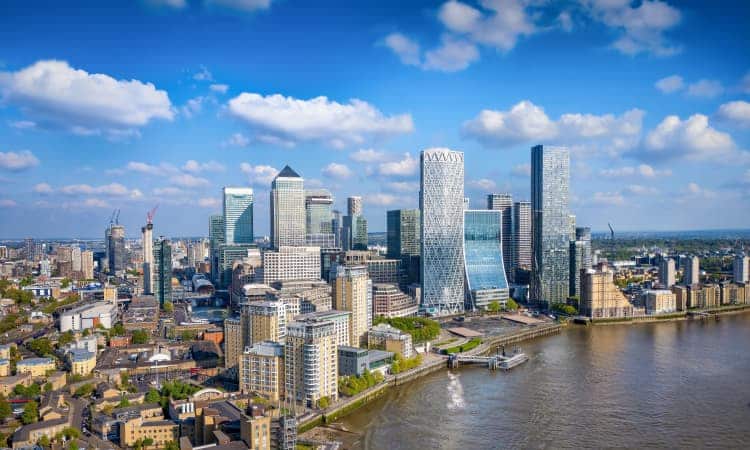
The area’s closeness to London Bridge (just one train stop on Southeastern services) alongside the DLR connection at Deptford Bridge to Canary Wharf and the City, has made it increasingly sought after by professionals who want genuine south-east London character without paying the prices of neighbouring Bermondsey or Greenwich. For buyers and landlords alike, that combination of history, connectivity, and ongoing change makes Deptford one of the more interesting parts of the capital right now.
Deptford Property
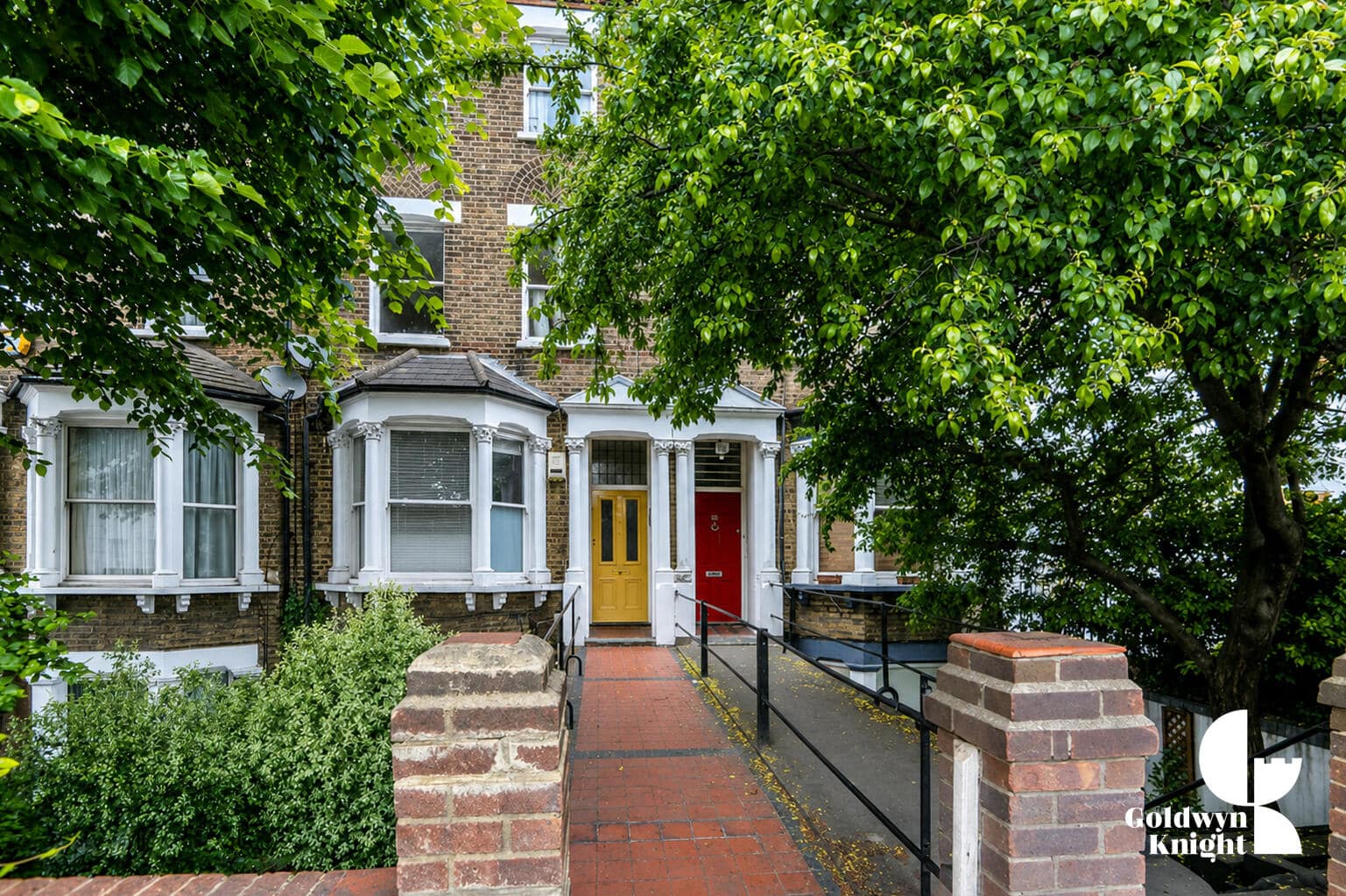
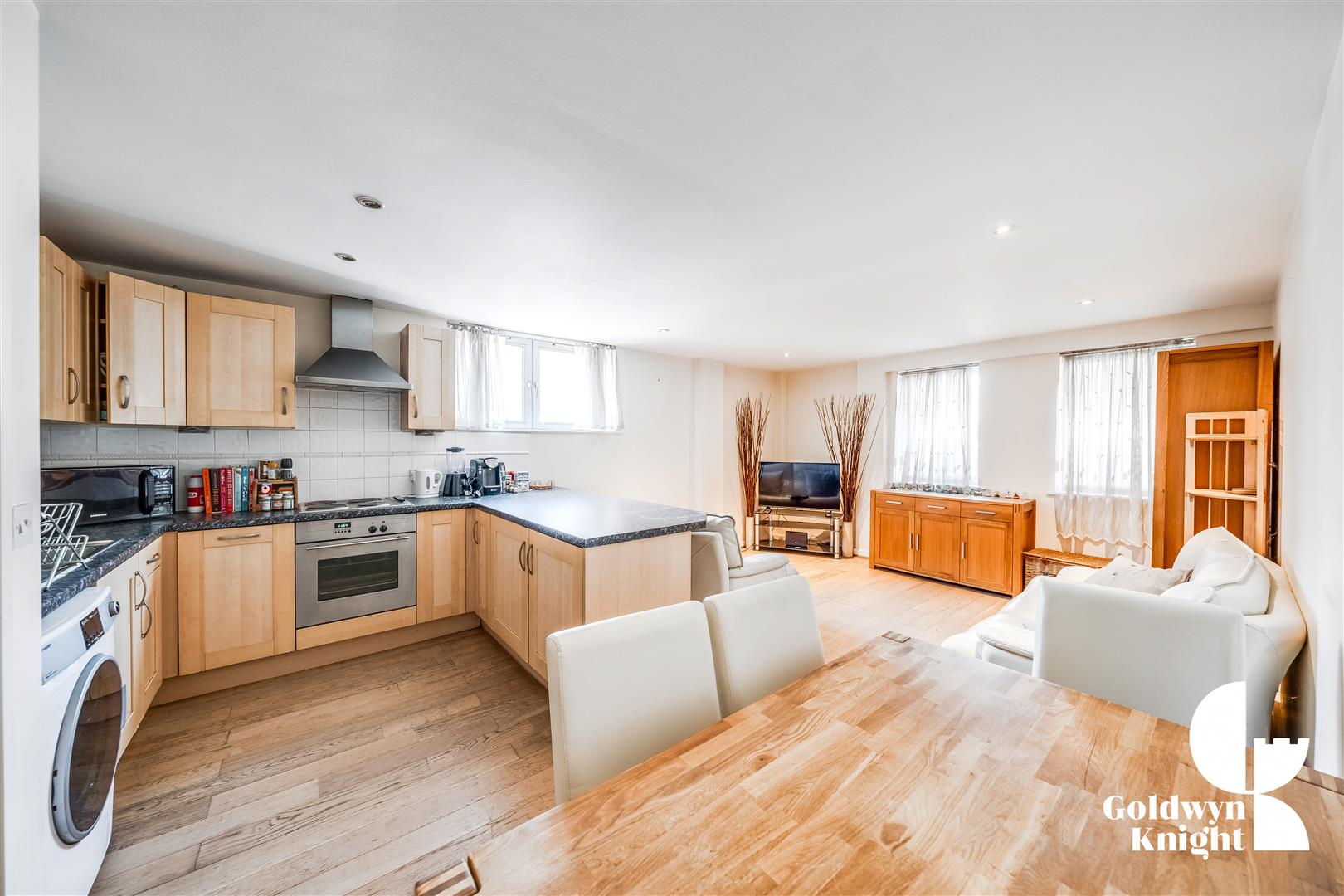
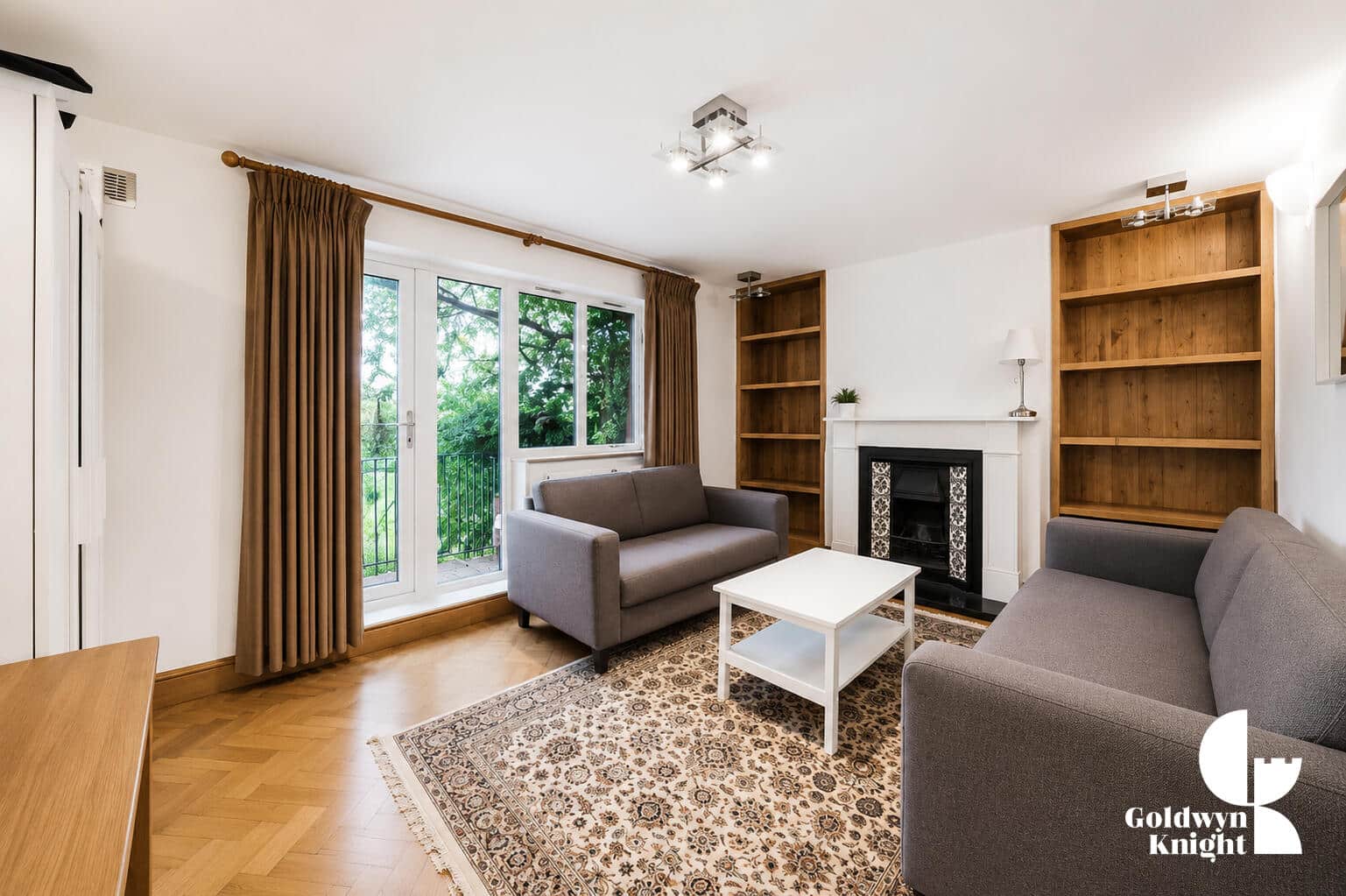
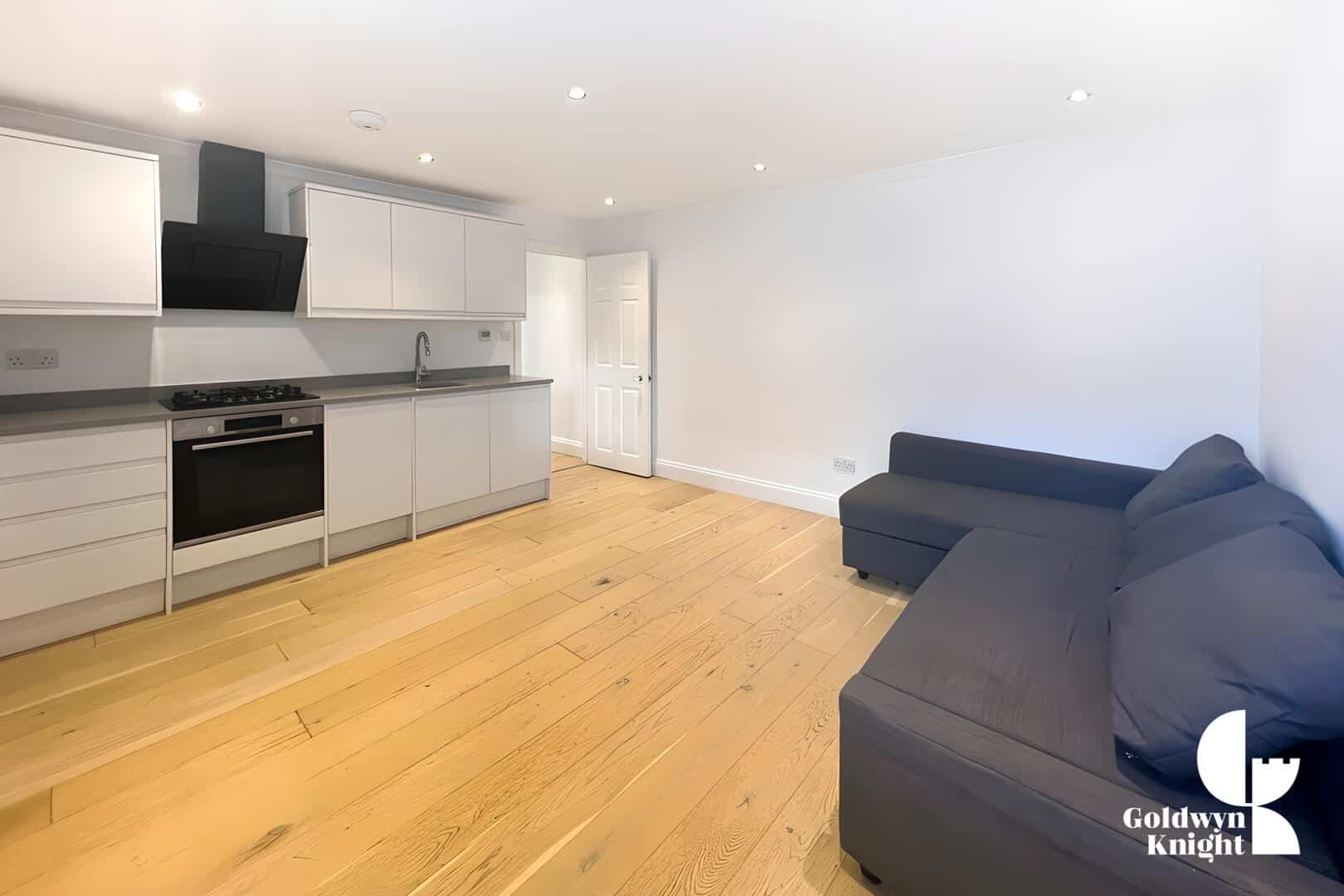
Property types: Deptford’s housing stock is one of the most varied in south-east London, shaped by more than four centuries of development. The finest properties in the area are found in the conservation zones: Albury Street is a rare surviving cobbled Georgian terrace whose early eighteenth-century houses were originally built for sea captains and shipbuilders. The St John’s conservation area, known historically as Deptford New Town, contains Victorian terraces in good condition, many of which have been sympathetically updated in recent years.
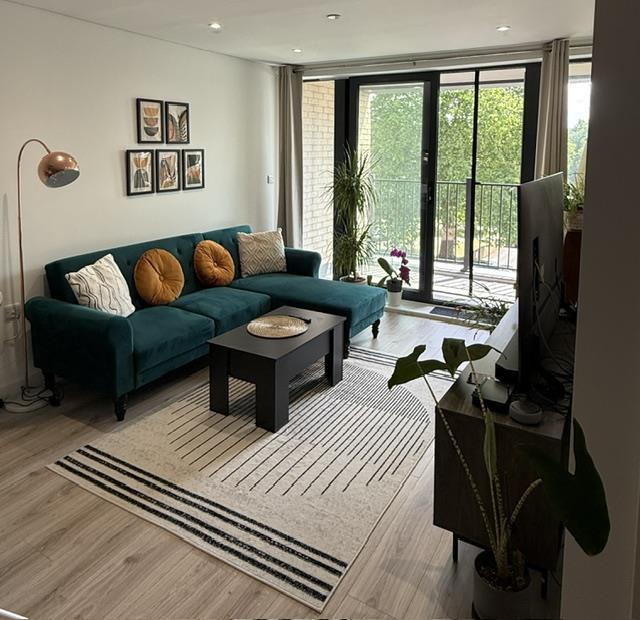
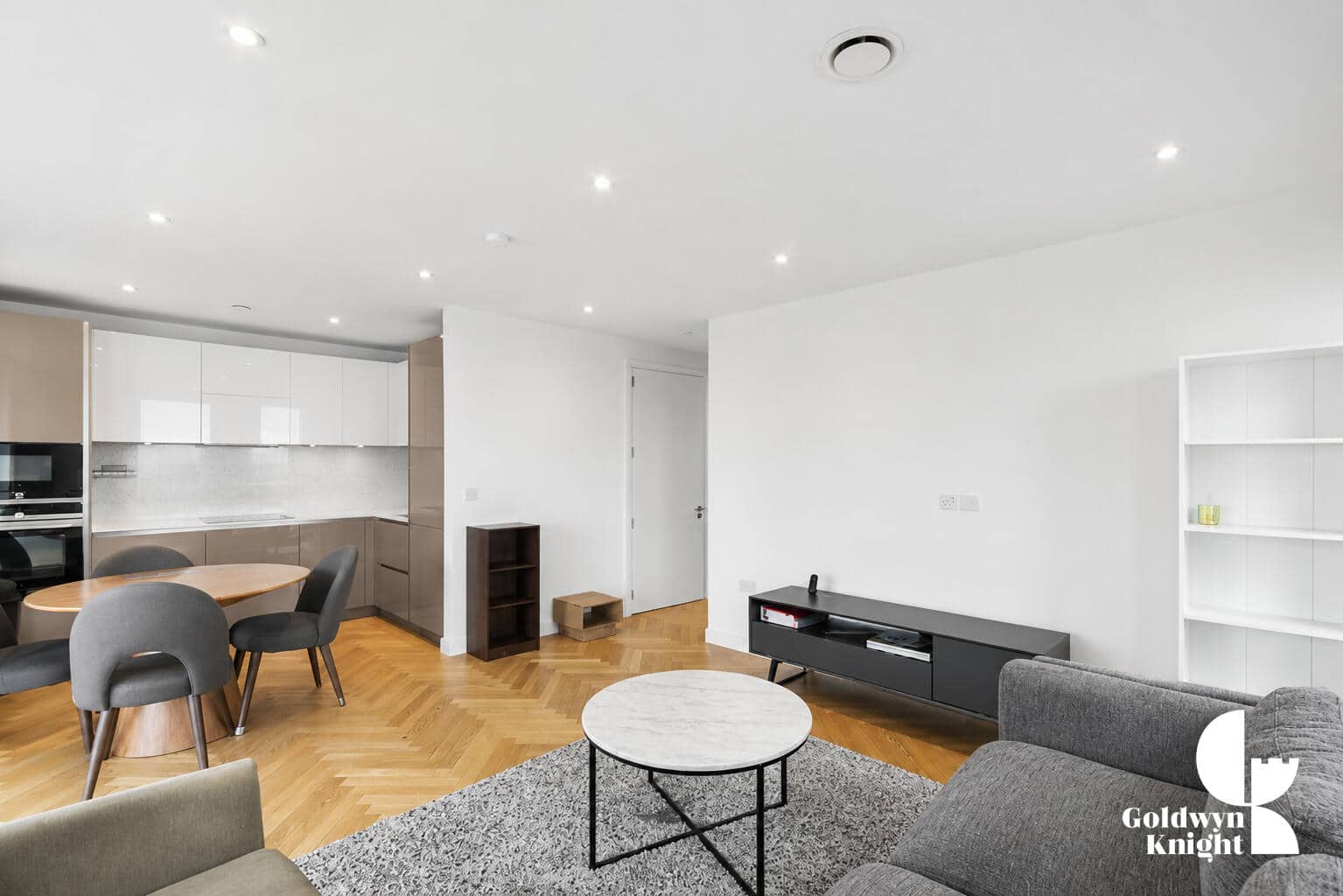
Beyond these, the post-war landscape includes Pepys Estate council blocks to the north and a significant and growing number of new-build apartments, particularly around the station and along the creek. Warehouse conversions and repurposed industrial buildings have added a further layer — the Seager Distillery development and Deptford Foundry by Anthology both brought contemporary homes with industrial heritage elements to the market.
Sought-after property: Albury Street and the surrounding conservation area around St Paul’s Church offers the most historically significant stock. Evelyn Street and the streets around Deptford Park attract buyers looking for Victorian terraces with good space. The streets closest to Deptford Market Yard and the station are popular with younger buyers, while the northern riverside zone is being transformed by ongoing new-build delivery.
Development in Deptford: The biggest development story in Deptford remains Convoys Wharf, the 16.6-hectare brownfield site on the Thames that received outline planning consent for approximately 3,500 new homes in 2015. The scheme was delivered in multiple phases to a masterplan by architects Farrells, also includes three acres of new public parks, a new school, riverside commercial space, and a new Thames Clipper pier.
Deptford Landings, formerly The Timberyard, is a separate scheme delivering new homes, public spaces, and workspaces between Pepys Estate and Deptford Park, and is further advanced. Deptford Foundry by Anthology, completed in recent years, brought private apartments and studio spaces across eight buildings and one tower to the area around a former nineteenth-century metal foundry.
Property prices: According to Rightmove, the overall average sold price in Deptford over the last year was approximately £445k. Flats, which make up the majority of sales, averaged around £404k. Terraced properties averaged £715k, and the small number of semi-detached sales recorded an average of £810k. Neighbouring New Cross and Lewisham offer some additional pricing options for buyers whose budgets don’t stretch to the most sought-after SE8 streets.
Rental market: According to ONS data, average private rents in the London Borough of Lewisham reached £1,816 per month , up 2.8% from £1,767 a year earlier, a rate of increase above the London average of 1.7%. One-bedroom rents in Lewisham rose by 3.1% over the same period. Deptford, sitting within this borough and offering particularly strong transport links to both the City and Canary Wharf, tends to attract steady professional demand, which has helped keep occupancy rates high. The property market here benefits from a structural shortage of supply relative to demand, particularly for well-presented one and two-bedroom flats close to the station and the DLR.
Deptford Transport
Deptford’s position between the City and south-east London means it’s genuinely well served by rail and bus, making it a practical base for commuters heading into central London and the financial districts.
- Train: Deptford station sits atop a high brick viaduct on Deptford High Street. This is one of the oldest suburban stations in the world, and is served by Southeastern and Thameslink. London Bridge is reached in as little as six minutes, with around 96 direct services running daily. From London Bridge, onward connections fan out across the capital via the tube, Thameslink, and the Overground. Services run from before 5am through to after midnight.
- DLR: Deptford Bridge station on the Docklands Light Railway provides direct, frequent services to Canary Wharf in around ten minutes and on to Bank in under 25 mins. Peak-hour services run at up to 22 trains per hour in each direction, making this one of the most reliable routes into the financial district. Stratford is also directly accessible, opening up the Elizabeth line and connections across the north of the capital.
- Bus: A number of bus routes operate through Deptford High Street and the surrounding roads, connecting the area to Canada Water, Surrey Quays, London Bridge, Greenwich, Lewisham, and New Cross.
- Car & Road: The A200 (Creek Road and Evelyn Street) is the principal road through Deptford, connecting to the A2 and providing routes into Greenwich to the east and Bermondsey and the City to the north-west via the Rotherhithe Tunnel. The A2 to the south links to the M25 and Kent. Congestion on routes heading north into the City can be heavy during peak hours.
- Cycling & Walking: The Quietway 1 cycle route runs through the area, linking Greenwich to London Bridge and passing through Deptford. Flat terrain and relatively short distances to neighbouring areas make cycling a practical day-to-day option. Walking to Deptford Bridge DLR from Deptford station takes around five minutes.
- River: The Thames Clipper Riverbus service stops at Greenland (Surrey Quays Pier), around a 16-minute walk from central Deptford, providing a scenic route to Canary Wharf in 15 minutes and central London piers beyond.
- Airport: London City Airport is approximately 25 minutes by DLR and car, making it the most convenient airport for Deptford residents.
The strength of Deptford’s rail connections to both London Bridge and Canary Wharf is a key driver of rental demand from commuting professionals, and helps to keep void periods low for landlords in the SE8 area.
For more information about transport options in Deptford, take a look here.
Places Of Interest
Deptford’s history runs deeper than almost anywhere else in south-east London, and several of its landmarks are nationally significant rather than merely local curiosities.
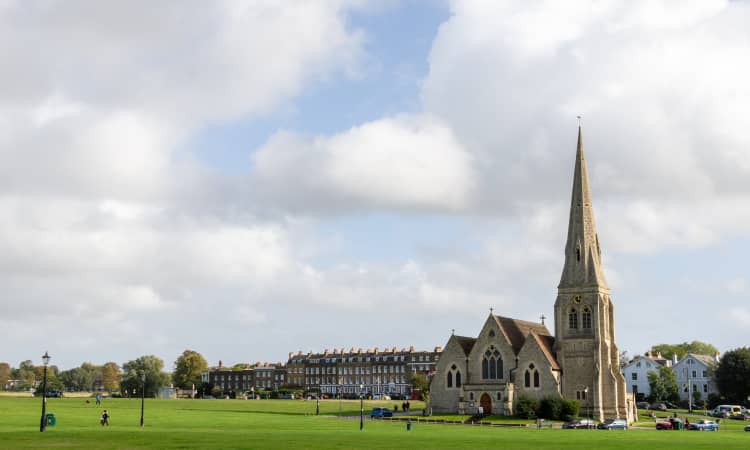
- St Paul’s Church, Deptford — Designed by Thomas Archer, a pupil of Sir Christopher Wren, and built between 1712 and 1730, St Paul’s is a Grade I-listed baroque church and one of the finest of its kind in England. John Betjeman is said to have called it “a pearl at the heart of Deptford.” The adjacent Albury Street, a cobbled Georgian terrace, was originally built for sea captains.
- St Nicholas Church & Christopher Marlowe Memorial — The original parish church of Deptford dates to the fourteenth century, with the current building from the seventeenth. The churchyard contains a memorial to playwright Christopher Marlowe, who was murdered nearby in 1593 and buried here in an unmarked grave. The skull-and-crossbones gateposts are said to have inspired the pirate flag.
- Trinity Laban Conservatoire (Laban Building) — The Laban Building on Creekside was designed by Swiss architects Herzog & de Meuron and won the RIBA Stirling Prize for Architecture in 2003. It houses the world’s largest purpose-built contemporary dance centre and is one of the most architecturally significant buildings in south London.
- The Albany Theatre — A performing arts centre with roots stretching back to 1894, the Albany on Douglas Way hosts spoken word, club nights, theatre and children’s shows. Its current building was opened in 1982 by Diana, Princess of Wales.
- Deptford Market Yard — Fourteen restored Victorian railway arches beside Deptford station have been converted into a permanent market and retail destination. The Grade II-listed Victorian carriage ramp alongside it is one of the oldest surviving structures of its kind in London.
- Creekside Discovery Centre — A nature reserve and environmental education centre on the banks of Deptford Creek, offering guided low-tide walks, wildlife spotting (herons, cormorants, Chinese mitten crabs) and community events. It’s an unusual urban habitat that has been preserved through the area’s regeneration.
- Deptford Creek — The tidal mouth of the River Ravensbourne where it meets the Thames, Deptford Creek is one of the last undeveloped stretches of tidal creek in inner London. The surrounding Creekside area contains artist studios and the APT Gallery.
- Deptford Lounge — A striking gold-clad public building on Griffin Street housing the local library, meeting rooms, study space and an outdoor amphitheatre. Designed as a civic landmark, it’s one of the more architecturally adventurous public libraries built in London in recent decades.
Living In Deptford
Deptford’s daily life is a long way from the polished uniformity of many inner-London neighbourhoods — the high street is genuinely functional, the market is well-used by locals rather than tourists, and the range of facilities is broader than the area’s reputation sometimes suggests.
- Shopping: Deptford High Street is the spine of everyday retail, running a quarter of a mile from Deptford Broadway down towards Creek Road. It hosts the three-days-a-week street market (Wednesdays, Fridays, and Saturdays, 9am to 5.30pm), selling fresh produce, fish, and household goods from long-standing traders. Deptford Market Yard, set within 14 restored railway arches directly beside the station, offers a more curated retail offer: independent clothing, homeware, craft beer at Taproom SE8, and a handful of cafés and restaurants. For a broader high street offer, Lewisham Shopping Centre is around ten minutes by bus and includes over 65 stores.
- Eating & Drinking: Deptford has a genuine food scene rather than a manufactured one. Marcella on Deptford High Street is a well-regarded Italian bistro with a strong local following, and Winemakers next door is a small, good-quality wine bar. For drinks, the Dog & Bell on Prince Street is known for cask ales, the Birds Nest on Deptford High Street hosts live music, and Little Nan’s Bar in Market Yard occupies three railway arches and is one of the more distinctive cocktail bars in south-east London.
- Leisure & Recreation: Wavelengths Leisure Centre (Giffin Street, SE8 4RJ) is a five-minute walk from Deptford station and offers a 25-metre main pool, a leisure pool, a 50-station gym, three fitness studios, and a soft play area for younger children. Deptford Park sits just south of the station and provides open green space within easy reach of the high street. Brookmill Park and Margaret McMillan Park add further green options, and the Old Tidemill Wildlife Garden behind the former Tidemill school is a local nature reserve.
- Healthcare: Kingfisher Medical Centre (3 Kingfisher Square, Staunton Street, SE8 5DA) is a well-regarded NHS GP practice accepting new patients, with a branch also at Surrey Docks. Deptford Medical Centre serves patients on a multilingual basis. University Hospital Lewisham is around ten minutes’ drive from the station, providing acute and emergency care.
Selling & Letting
- For sellers: Deptford’s sales market is underpinned by a combination of strong transport connections, genuine housing scarcity in the most sought-after streets, and sustained interest from buyers priced out of neighbouring Bermondsey and London Bridge. The area’s Georgian conservation streets (Albury Street in particular) command a significant premium over the SE8 average, and well-presented Victorian terraces around St John’s conservation area consistently attract competitive offers. The proximity of Goldsmiths University in New Cross and Trinity Laban in Creekside means there is a consistent pool of buyers in the academic and creative sectors, adding depth to the demand profile beyond the standard commuter market.
- For landlords: Deptford’s rental market benefits from the same transport advantages that attract buyers – London Bridge in six minutes by train and Canary Wharf in approximately ten minutes on the DLR means the area draws working professionals from across the financial and creative sectors. Demand from students and young professionals linked to Goldsmiths and Trinity Laban further supports consistent occupancy. Well-presented one and two-bedroom flats close to the station and Deptford Bridge DLR are the most in-demand property type from tenants, typically letting quickly and with limited void periods.
- Most in demand: For buyers, Georgian and Victorian terraced houses in the conservation areas remain the most sought-after, while new-build flats appeal to first-time buyers and investors. For tenants, one and two-bedroom flats, particularly those within walking distance of both stations, attract a wide pool of applicants.
To find out what your property in Deptford could achieve in the current market, book a valuation with Goldwyn Knight today.